Reports from the Field: Freedom House, a Safe Space supported by KMET

Reports from the Field: Freedom House, a Safe Space supported by KMET

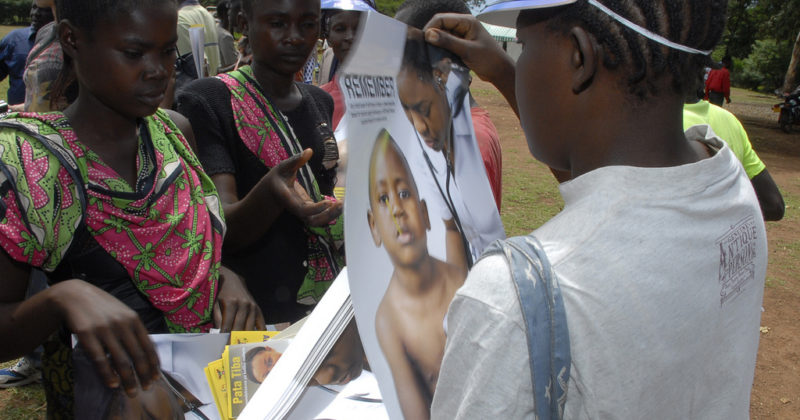
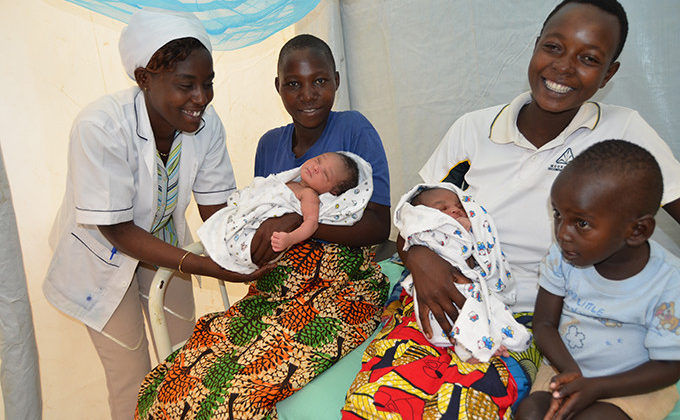
By Faith Otewa: One of our goals of the Center is to highlight some of the important work in Sexual and Reproductive Health taking place in Kisumu and Nyanza. We were thrilled to sit down with the Director of KMET (Kisumu Medical and Education Trust), a Kisumu-based NGO working to promote innovative and sustainable reproductive health and education programs among underserved communities. KMET works in the areas of Maternal, Child, Adolescent and Child Health, livelihoods and nutrition, education and youth/adolescent empowerment and quality healthcare financing. The organization has adopted an integrated model to provide a holistic care to women by offering specialized diagnostic services like Family Planning Services (FP), Immunization, and HIV Testing, Cervical Cancer Screening and Laboratory services. A well-stocked dispensing pharmacy is also in place. KMET also houses a Youth Friendly Clinic for its youthful clients of reproductive age. The services offered at the center are affordable. With growing evidence that a substantial number of girls, children and women in Kisumu...
Read More
All in a Day’s Work: Engaging the Community through HPV testing in Kisumu

All in a Day’s Work: Engaging the Community through HPV testing in Kisumu

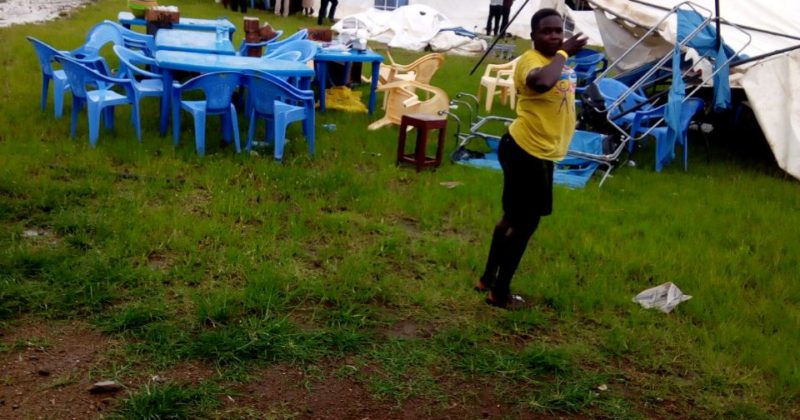
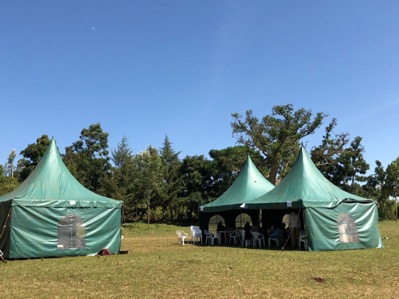
Blog by Faith Otewa In my role as site coordinator of the Kisumu Center office, I’ve had the opportunity to oversee the “Hybrid Study,” in which we are looking at integrating HPV testing into community health campaigns providing multiple other disease services, including HIV testing, family planning and TB testing.  Many of the experiences will linger on with us for many years to come; while some illustrate the challenges encountered in conducting research and community-based care in Africa, others show the power of community mobilization and knowledge. It is the 10th week out in the field and the study team are getting ready to recruit at the 3rd set of campaigns. However, as if often the case in western Kenya, and certainly when we are working in tents set out in the middle of fields, the climate has had a big impact on study.  The harsh weather and copious rainstorms experienced in the month of May this vastly affected recruitment. There has...
Read More
Health Systems Barriers to Cervical Cancer Prevention in Kenya

Health Systems Barriers to Cervical Cancer Prevention in Kenya

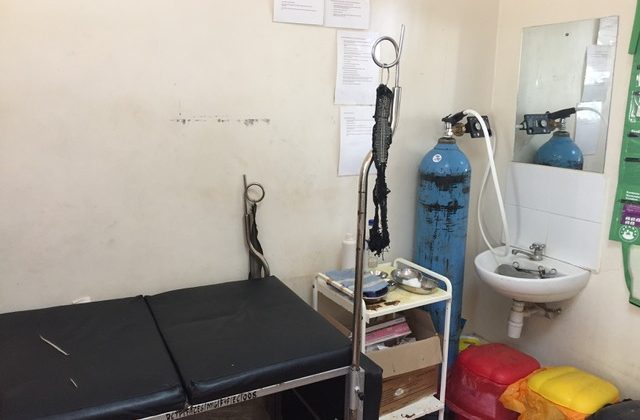
Blog by Charlotte Page, Ob/Gyn Resident: This is a follow-up post to “Patient Barriers to Cervical Cancer Prevention in Kenya”. I’ve realized while in Kenya that there are a lot of things I take for granted in bathrooms in the US: running water, a toilet that flushes, toilet paper, soap, and electricity. If you’re missing one of these things, the restroom is that much more uncomfortable – or perhaps even unfunctional. Similarly, small systems issues here in Kenya can inhibit women from receiving the healthcare they need. For the HPV-positive women in the study I’m working on, such problems can significantly increase the amount of time and effort required to get treated with cryotherapy, to the point that some women don’t obtain treatment at all. To paint a picture: yesterday I was at Migori County Referral Hospital (MCRH), one of the sites where cryotherapy is provided in our study. This procedure uses compressed gas to freeze precancerous cells on the cervix, thereby preventing them...
Read More
Gaining Insight into Kenyan Community Health

Gaining Insight into Kenyan Community Health

Blog by Amber Fleck, MS2, University of Colorado: In the United States, health education is seemingly everywhere: ads online reminding women of the importance of pap smears, TV commercials advising against smoking, or posters in bar bathrooms providing safe sex advice. With this abundance of exposure to health education, it is a striking difference to visit a country where many communities don’t have regular access to this kind of information, especially if that information regards sexual or reproductive health. In an effort to bridge this gap and enhance community health education the Kenya Ministry of Health began using lay workers, also known as community health volunteers (CHVs). CHVs travel door-to-door in their assigned communities to educate individuals about disease management, including reproductive and maternal health, and provide referrals to the clinic when necessary. In theory, this is an excellent way to increase access to health information and care; however, these programs have had some significant challenges. One challenge is that these are...
Read More
Using GIS Spatial Mapping to Enumerate the Risk of Loss-to-Follow-up for Cervical Cancer Treatment in Western Kenya

Using GIS Spatial Mapping to Enumerate the Risk of Loss-to-Follow-up for Cervical Cancer Treatment in Western Kenya

By Moreen Njoroge, T-19 Cervical cancer is the second most common cancer in women worldwide and the most common cancer among women in sub-Saharan Africa. The risk for cervical pre-cancer and cancer is increased by the biological effects of co-infection with HIV and HPV, both of which have a higher prevalence in sub-Saharan Africa and especially in Migori, Kenya where the seroprevalence of HIV/AIDS is not uncommon. The social and economic factors in Migori, Kenya make cervical cancer control more difficult to achieve with the established standard of care in developed countries. A major barrier to accessing screening and treatment services for cervical cancer in this region is poor health literacy associated with the lower educational-attainment rates in Kenya, especially for women. Structural barriers associated with increased cervical cancer mortality rates include lack of diagnostic tools for screening, understaffing in clinics and hospitals, a paucity of pathology laboratories and the long waiting times associated with screening-result transmission. The lack of treatment...
Read More
Community Health Campaign: Thoughts Station by Station

Community Health Campaign: Thoughts Station by Station

Not much changes yet everything seems different whenever I return to my home country of Kenya. I was reminded of my first time in Kisumu last year with Dr. Megan Huchko & Katelyn Bryant-Comstock and how anxious I was, even though I was in Kenya, I was completely unfamiliar with this region, the local language, and the culture. Last year, I was a rising junior filled with high hopes, yet naïve of the intricacies of proposing a project and carrying it out. This year, I have returned with much more practical expectations as well as a greater capacity to carry out my project: using GIS spatial mapping to enumerate the risk of loss-to-follow up for treatment of HPV. My project is taking place in Migori, Kenya as a part of the ongoing Cervical Cancer Screening & Prevention Study. The use of geographic information systems will help us create correlations between women’s sociodemographic variables as risk-factors and treatment loss-to-follow up rates....
Read More
Patient Barriers to Cervical Cancer Prevention in Kenya

Patient Barriers to Cervical Cancer Prevention in Kenya

Starting at age 21, you get regular pap smears. You get in your car, drive on a paved road to an Ob/Gyn or primary care clinic, and have the pap done, with relatively little effort on your part. That’s how cervical cancer screening works for most women in the United States and most other developed countries. In these countries, pap smears have significantly reduced rates of cervical cancer and resulting deaths. It’s a different story in developing countries like Kenya. In East Africa, cervical cancer is the most common cancer in women, even surpassing breast cancer. In Kenya, only 3.5%[1] of eligible women ever get screened for cervical cancer, and it’s difficult for those that screen positive for precancer or cancer to access treatment. Some barriers relate to infrastructure, as cervical cancer prevention and treatment requires resources including skilled providers, supplies, and transportation of specimens. To try to overcome some of these systems issues, Dr. Megan Huchko (director of the Center for...
Read More
When words in Washington translate to tragedy across the globe

When words in Washington translate to tragedy across the globe

When people ask how my summer internship is going, I never know what exactly to say. I usually end up blurting out a rapid mix of emotions: “It’s great!” “I love it!” “But it’s also really sad!” “Super depressing day to day, but I care a lot about the work.” “An awesome place to work but a sad field to be working in right now.” I’m interning at the United Nations Foundation in Washington, DC on the Universal Access Project, which convenes donors and advocates working to improve women’s and girls’ access to family planning around the world. Family planning is a fundamental human right and undeniably one of the best investments countries can make towards sustainable development—it can enable girls to stay in school, prevent maternal deaths, improve women’s financial independence and economic productivity, and has even been identified as a top solution to combat climate change. The Duke Center for Global Reproductive Health and other NGOs have reported frequently about...
Read More
Director’s Blog: Summer 2018

Director’s Blog: Summer 2018

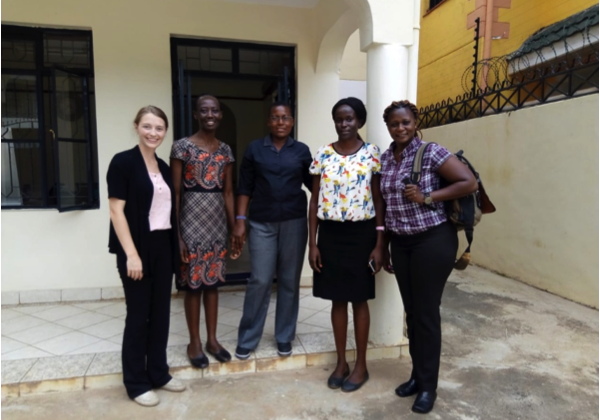
As we close out the academic year and head into the hot North Carolina summer, the halls of Trent get a lot quieter. To some, this calm may suggest a mass exodus to the beach or some other vacation destination. However, for faculty, students and staff, the empty offices belie a frenzy of work, as many head off to field sites around the world. Summer break represents a time to re-focus on the work that inspires students, trainees and faculty to put in the hours teaching, writing and learning throughout the year. We use this time to launch new projects, reconnect with their research teams and develop or deepen our partnerships. As we previously described, we have a very busy summer planned with work and site visits in western Kenya, while back at home, continuing with the launch of the Collaboratory project and the Big Data for Reproductive Health Summer team. I spent the last two weeks in June in Nairobi,...
Read More
So… what are you going to do about it?

So… what are you going to do about it?

I’m currently in Amansie West, Ghana as part of a team conducting research on the barriers and facilitators to family planning use and the role community health workers play in family planning uptake. During this time, I was invited to attend Ghana Health Service’s first National Maternal, Child Health and Nutrition Conference by Millennium Promise,  a co-sponsor of the conference and our collaborator in country. The collaboration with Millennium Promise first began back in September when Chief Nat Ebo Nsarko, the Country Director visited Duke University. From the beginning this team has been our guide for conducting research in Ghana through assisting us in each task and facilitating our learning experience. It is through their contributions and dedication which have allowed this research to not only be possible but successful. The theme of the conference was “Strengthening Partnerships for Achieving Universal Health Coverage in Reproductive, Maternal, Newborn, Child and Adolescent Health and Nutrition.” Gladys Ghartey (Head of UN System Unit at...
Read More